
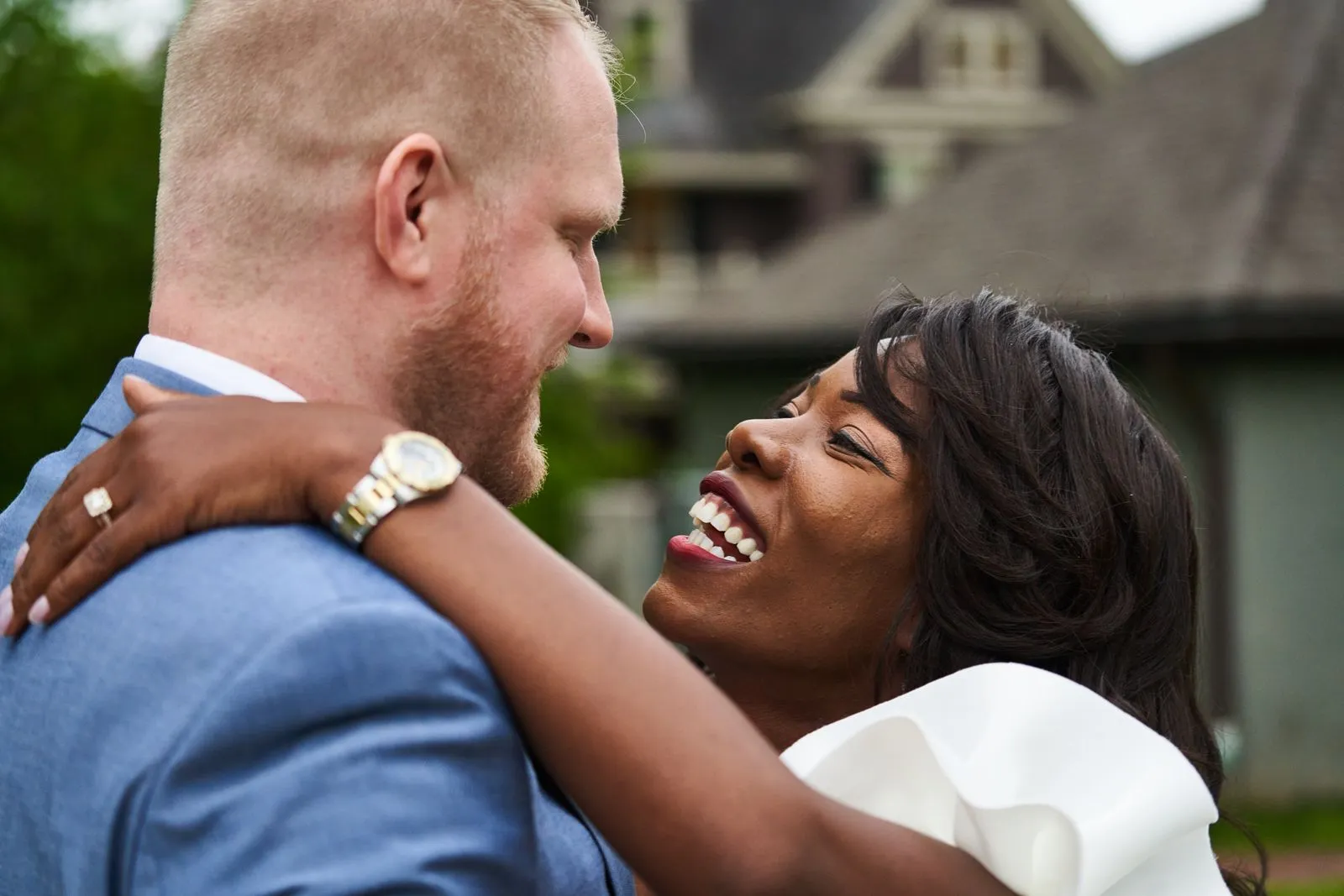
The right amount of time for elopement photos depends on what you want documented and how many places you plan to visit. A short ceremony at one location needs a different schedule from a day with getting-ready photos, extended portraits, and travel between scenic spots. Start by listing the moments that matter most, then build in time for moving, gathering, and taking a breath. A flexible timeline helps you enjoy the day instead of watching the clock.
Start With Your Ceremony Plans
Write down the ceremony start time, expected length, and any moments you want photographed before or after you exchange vows. A simple ceremony may take only a short portion of the day, while readings, family participation, or cultural traditions can add time. Ask your officiant what to expect, and allow a little room for the ceremony to begin late or run longer than planned.
Consider whether you want photos of preparations, the first look, or guests arriving. These moments happen before the ceremony, so they need their own place on the schedule. If you are getting ready at a separate location, include the time it takes to reach the ceremony site. Share the plan with your photographer early so they can recommend when coverage should begin.
Choose Your Portrait Priorities
Decide which portraits matter most: just the two of you, family groupings, wedding party photos, or a mix. A focused portrait session at one spot takes less time than a longer list of combinations or several backdrops. Make a short group-photo list in advance, assign someone to help gather people, and let your photographer know about mobility needs or family dynamics that could affect the pace.
Think about the kind of experience you want during portraits. If you prefer a few relaxed images, keep the shot list simple and leave room to enjoy the setting. If you want photographs in different outfits or at several scenic locations, plan more time for changing and walking. Your photographer can help match your priorities to the available daylight and the time you have.
Account for Travel and Transitions
Travel time includes more than the drive between locations. Allow for parking, walking to the photo spot, checking access, and getting everyone together. A location that looks close on a map may take longer if there is traffic, limited parking, or a trail between the car and the view. Check routes and site rules ahead of time, and use realistic door-to-door estimates.
Reduce avoidable travel by choosing locations near each other or holding the ceremony and portraits at the same place. If you want multiple settings, decide which one is essential and treat others as optional if the schedule runs behind. Build a small buffer between major parts of the day rather than scheduling every minute. That cushion protects portrait time when a transition takes longer than expected.
Build a Flexible Photo Schedule
Put the timeline in order: preparation coverage, travel to the ceremony, vows, portraits, and any celebration or family photos. Add the actual time needed for each part, then check that the schedule also includes arrival, setup, and transitions. Ask your photographer to review it; they can flag tight handoffs and suggest whether your portrait plan fits comfortably.
Keep your must-have moments at the center and leave optional photos for extra time. If daylight or a venue window limits your schedule, tell your photographer and officiant so everyone can coordinate. For an elopement in Lexington, Bluegrass Elopements can help couples shape a photo plan around their ceremony and chosen locations. A clear, flexible timeline gives you room to be present while preserving the moments you want to remember.
Set aside photo time based on your ceremony, portrait priorities, and the full travel time between locations—not just the minutes spent posing. Share your plans and must-have moments with your photographer, then build in a buffer for transitions. With a practical schedule, you can focus on each other and let the photographs record the day as it unfolds.